Carl Sandburg

America’s 20th century proletarian troubadour poet Carl Sandburg (1878-1967) defied easy categorization. “The poet of the American vernacular was not only a tough, gregarious reporter, but a rollicking folk musician”. He wrote children’s books, worked as a Social-Democratic Party political organizer and aide, and became both a Hollywood advisor and State Department emissary. He was likely the only Pulitzer Prize winner to have been a bona fide, incarcerated, rail-hopping hobo, and remains the only Pulitzer Prize winner to have won awards for both Poetry and History. “Sandburg spoke to and for the American Century in which he lived and did his work.”
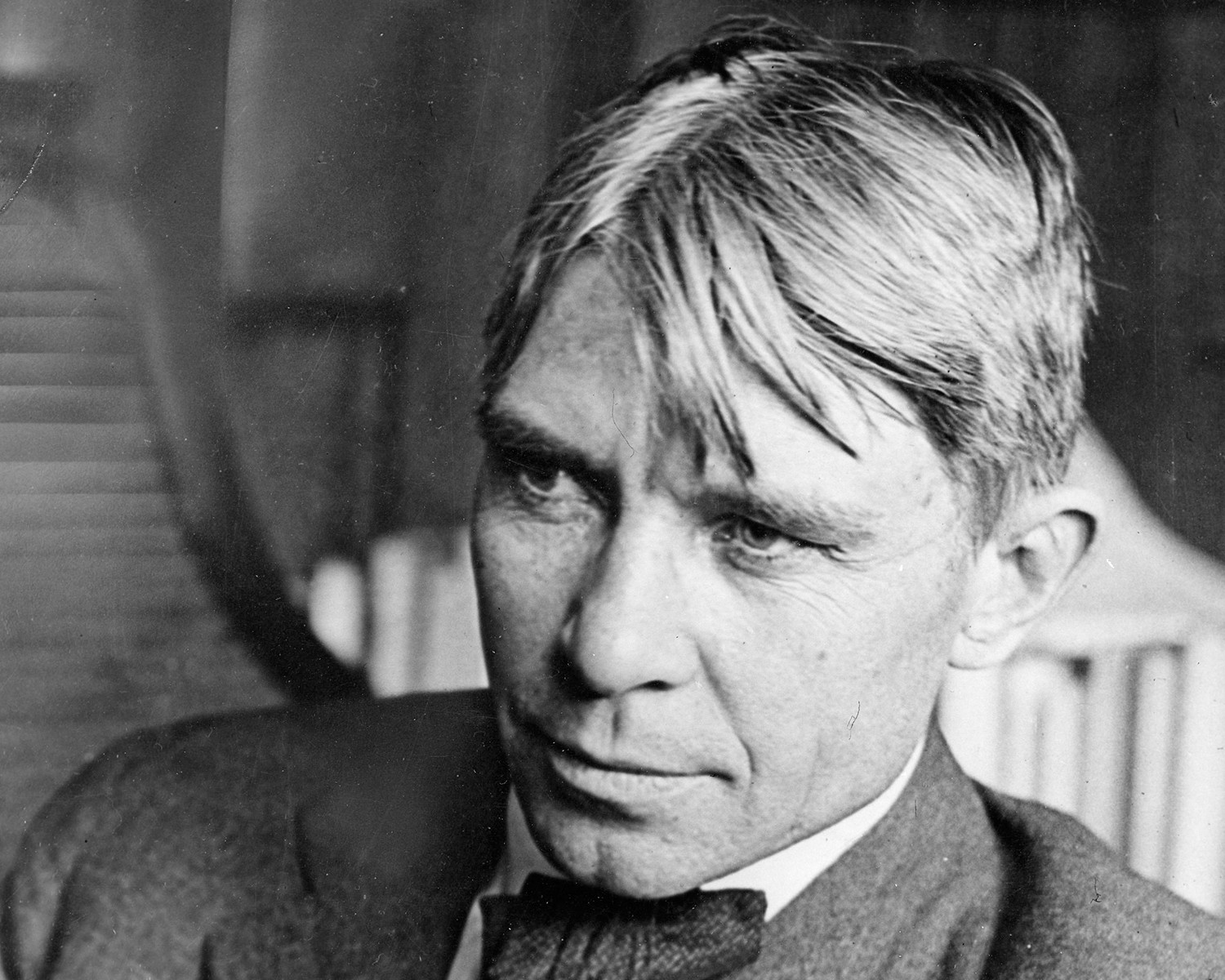
But before he did either, Sandburg’s itinerant youth included stints in the Army, college, a failed appointment to West Point (he failed the required mathematics and grammar tests), “chronic wanderlust,” and notional lecturing, before he rooted himself first in Wisconsin, and then in Chicago, the city he later covered as a reporter and celebrated as a poet.
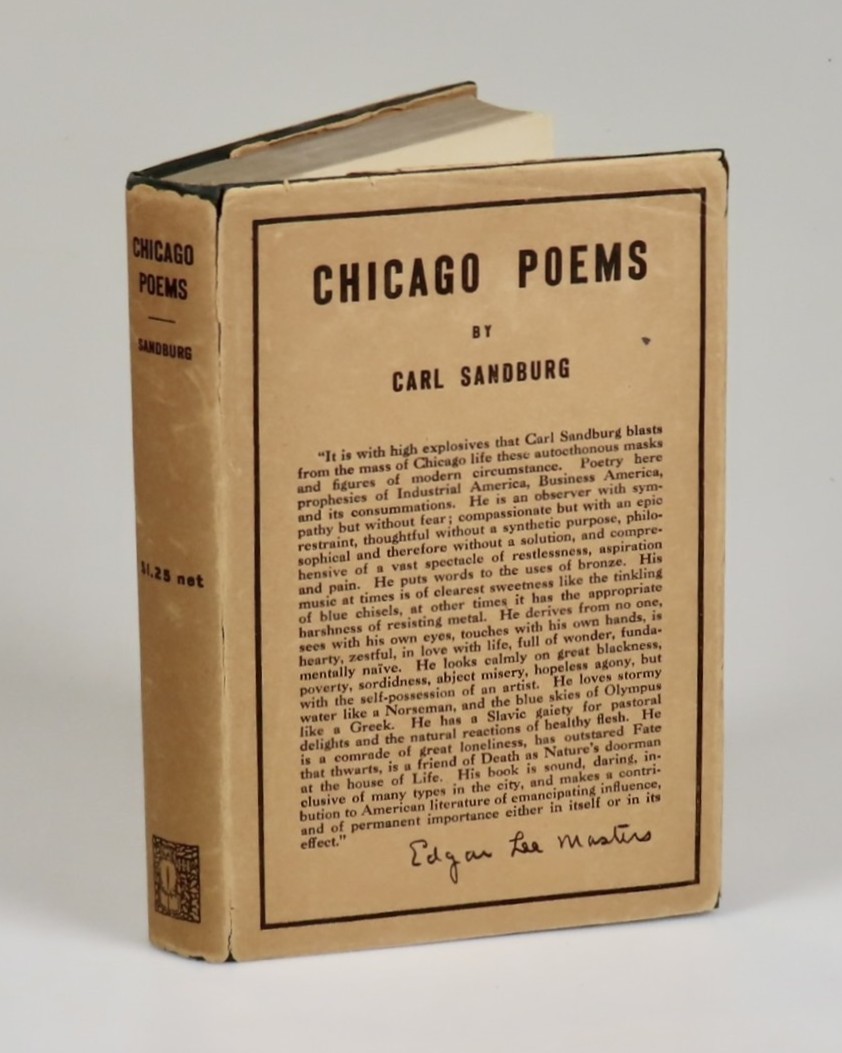
His first volume of poetry, Chicago Poems, was published in 1916. “From the beginning, Sandburg the poet gave a powerful voice to the ‘people – the mob – the crowd – the mass’… He was quickly established as the poet of the American people, pleading their cause; reciting their songs, stories, and proverbs; celebrating their spirit and their vernacular; and commemorating the watershed experiences of their shared national life.”
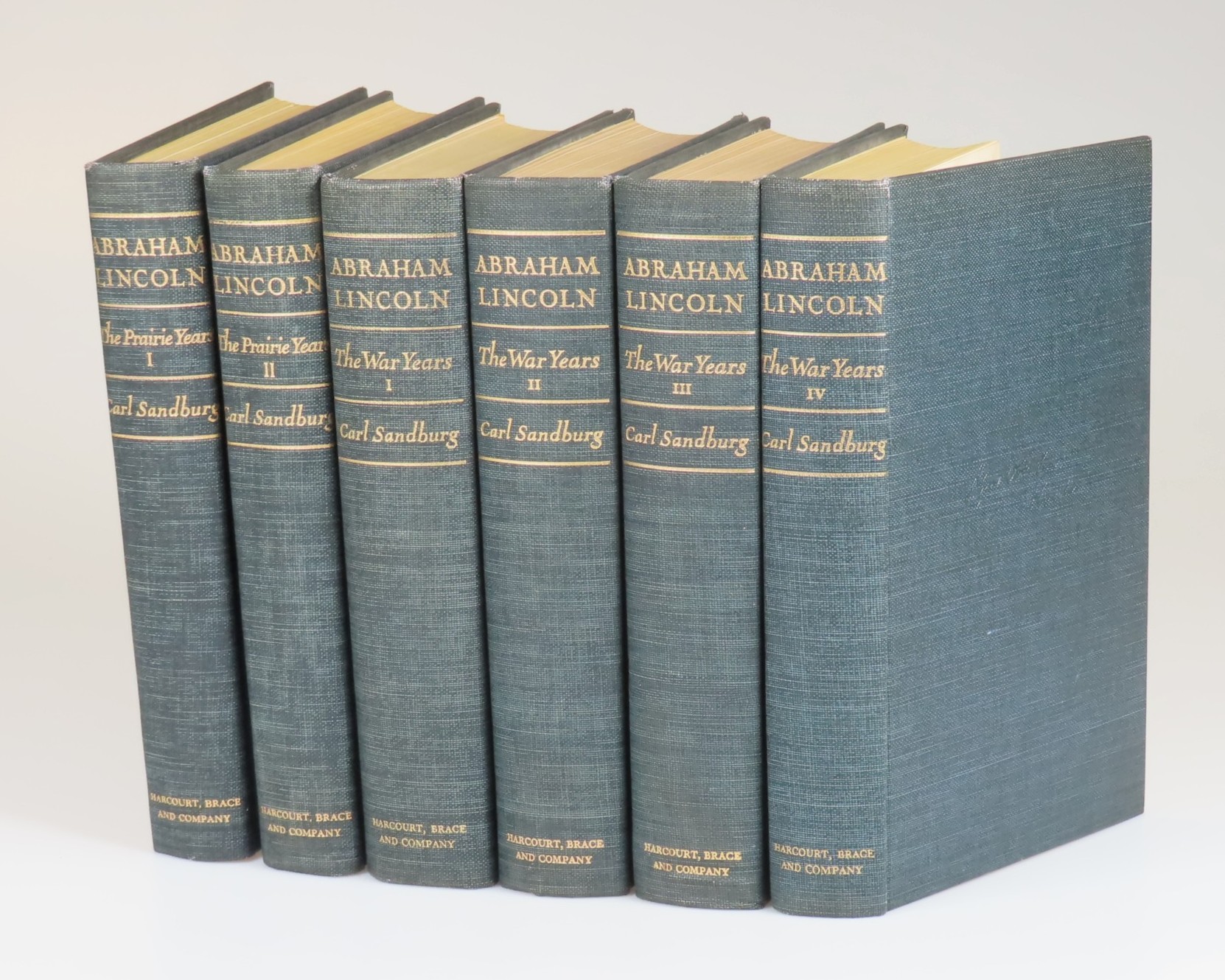
In retrospect, it was fitting that Lincoln and Sandburg would find one another. His epic two-part, six-volume biography of Lincoln began as a commission for a juvenile biography and became instead among the most monumental and acclaimed biographies of America’s 16th President.

Complex is one word that could be appended to Sandburg. Contradictory is another. The poet obsessed with “the people” became a great biographer of greatness. He spent a substantial portion of his intellectual capital elevating and illuminating America’s most exalted president. The urban socialist became rural gentry. The man so indelibly associated with Midwest and the working class ended up living on a large farm in North Carolina for more than two decades. “Connemara” as he called his estate is sufficiently associated with his life and work to be preserved as a National Historic Site today.
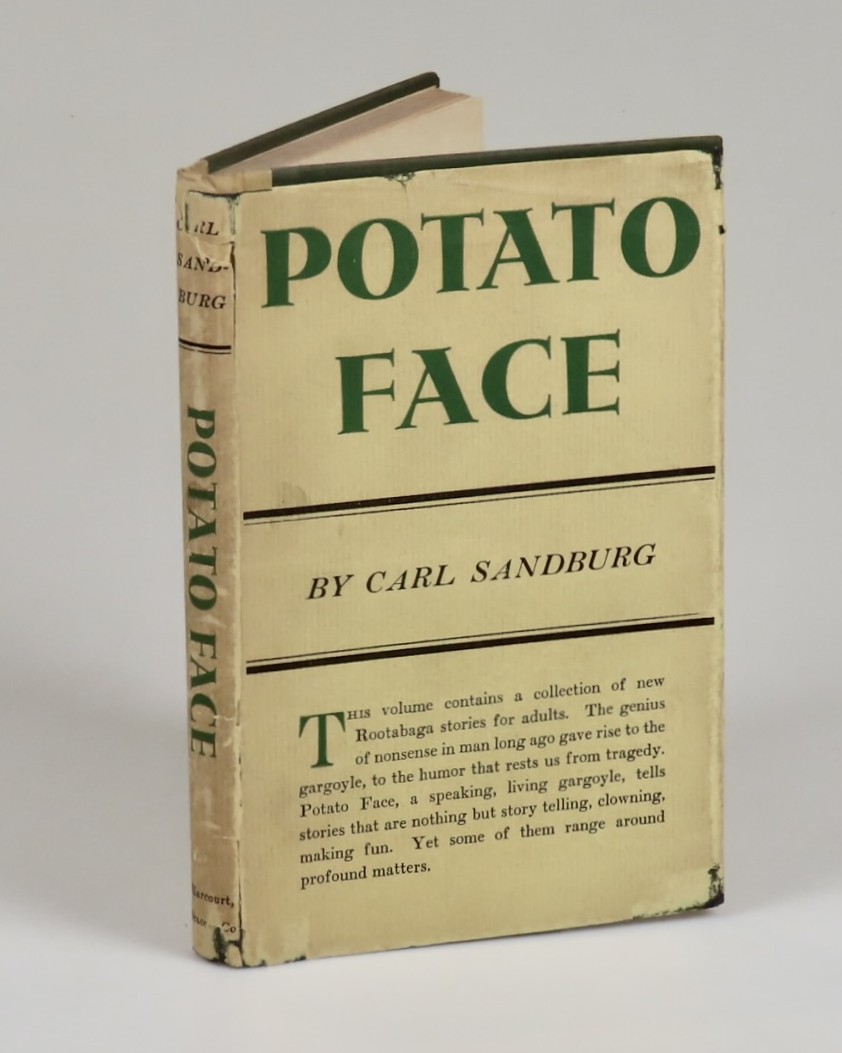
The poet known for his gritty, unvarnished portrayals of working class life also wrote “zany, sometimes poignant American fairy tales for children” with such lyrical titles as Potato Face. Even Sandburg’s poetic canon is an odd contradiction. It won Sandburg both a trove of public awards and broad public acclaim. And yet, unlike his contemporary, Robert Frost, we don’t necessarily have specific Sandburg titles and lines that spring readily to memory. As poet Archibald MacLeish said at Sandburg’s memorial “with Sandburg it is the body of the work that weighs, the sum of it, a whole quite literally greater than the total of its parts…” More than any single verse or even voice, “Sandburg had a subject – and the subject was belief in man.”
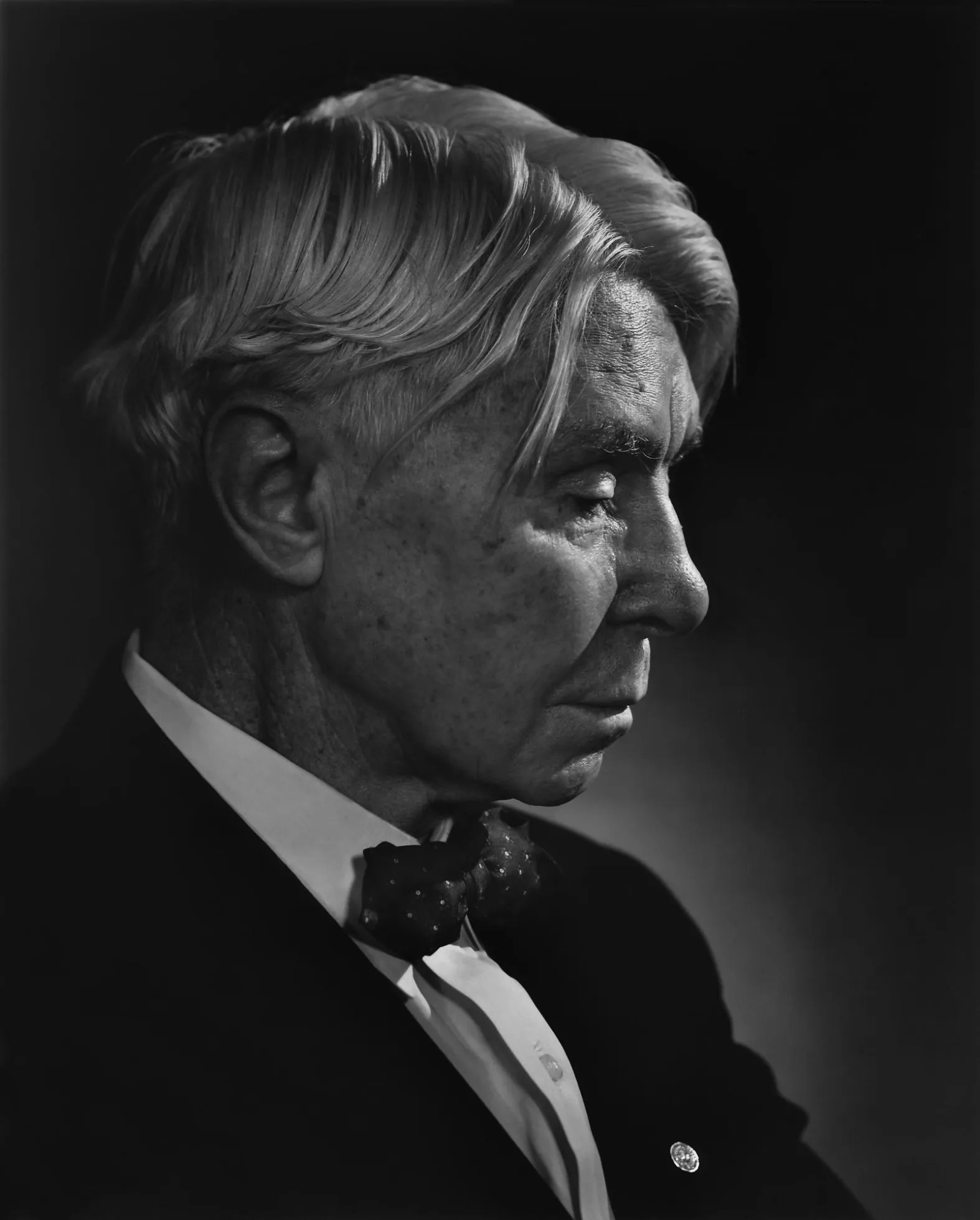
In addition to his Pulitzers (1919, 1940, 1951), Sandburg’s long catalogue of accolades included the Presidential Medal of Freedom (1964), the Robert Frost Medal (1952) for lifetime achievement in poetry, election to the American Society of Arts and Letters, a bevy of honorary doctorates, the National Institute of Arts and Letters Gold Medal (1952), and an invitation to address a joint session of Congress (in 1959, for Lincoln’s 150th birthday). Sandburg’s 1967 own memorial ceremony was held on the steps of the Lincoln Memorial.

Spending the Summer

When I was a kid, summer was the eagerly-anticipated time of year associated with breaks – from school, from expectations, from the ever-accelerating, one-way conveyer belt that dumps us, unceremoniously, into adulthood. Now that I am an adult, and particularly since I became a parent, summer has become the opposite of what it used to be. When my daughter was still in primary and secondary school, summer was the time she was off, which meant I was on. But since I still had a job, making more time for her meant squeezing the same amount of work into late, odd hours. Summer became a time of disrupted, unpredicted schedules and less sleep.

Now that my daughter is 20, what once felt like a bit of a burden has become a privilege. I am entering the final week of the four she spent home from college – these the leftover, following the end of her summer job on the other side of the country and preceding her forthcoming term abroad adventure in Scotland. We have talked, cooked, played games, and worked out. We have shared things we’ve written and things we’ve read.  I have told her some of the same stories she has heard many times already. She has told me new ones, from her ever-more independent life. We have solved a few problems together, demonstrating both that Dad may still occasionally be useful and that Daughter is definitely increasingly capable. We have managed the friction inevitable when a young adult tries to fit themselves back into the house and role they occupied as a child.

All of that has held its own magic and might merit its own telling. But what I’m thinking most about as I write are the beach days. There have been Dad and Daughter beach days. A number of them. And those days have let us both spend a little time with the children that neither one of us is anymore.

So, some lines from this summer’s beach days, and my hope that your own summer held a little room for truancy and play.

Spending the Summer

These lines will eddy and settle
a sand-filled summer snow globe
clouded with the churn of the shore.

We will side step lapsing waves,
sunk to the knobs of our knees.
Eyes bent to the water, we are two,
twice as pale as egrets, unplumed.

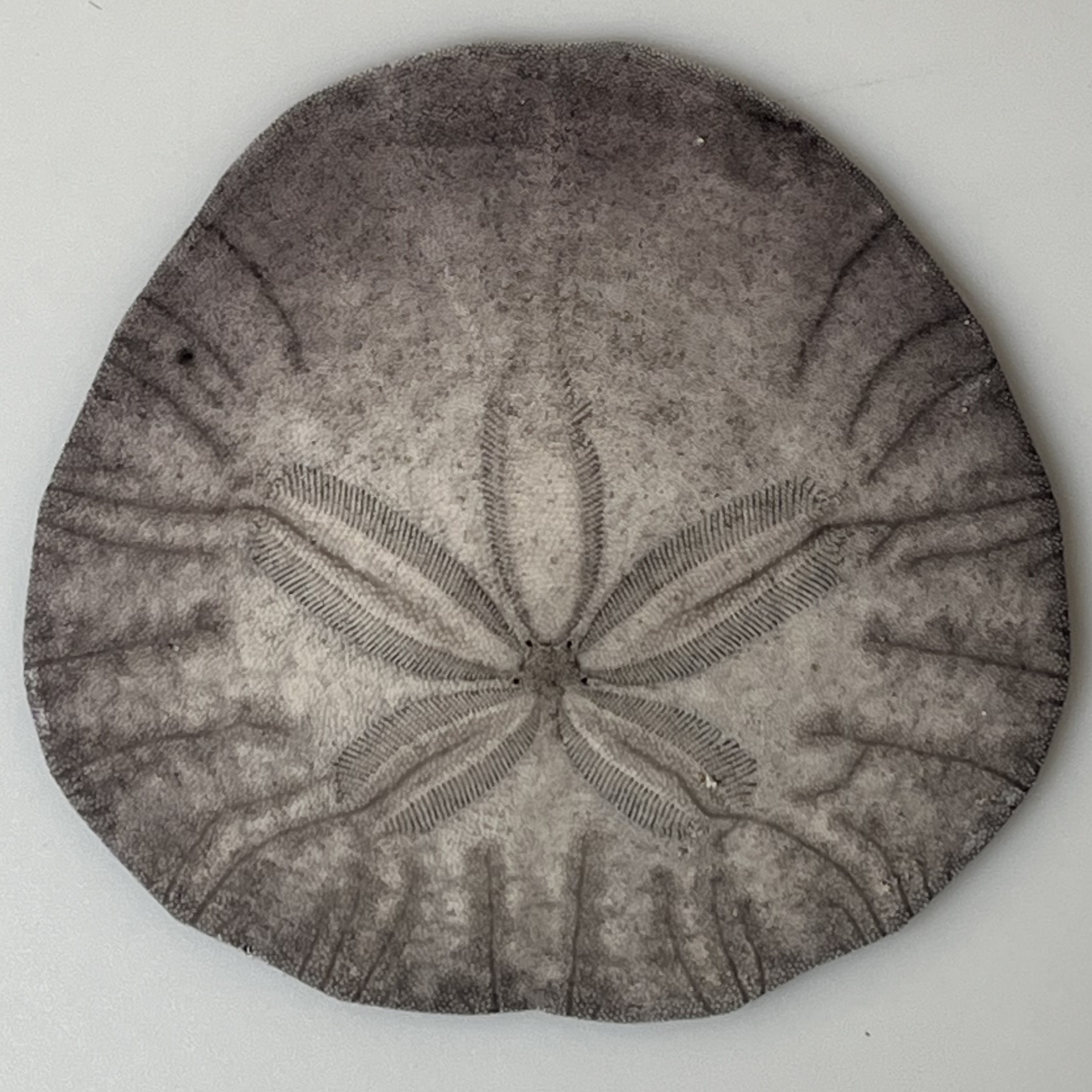
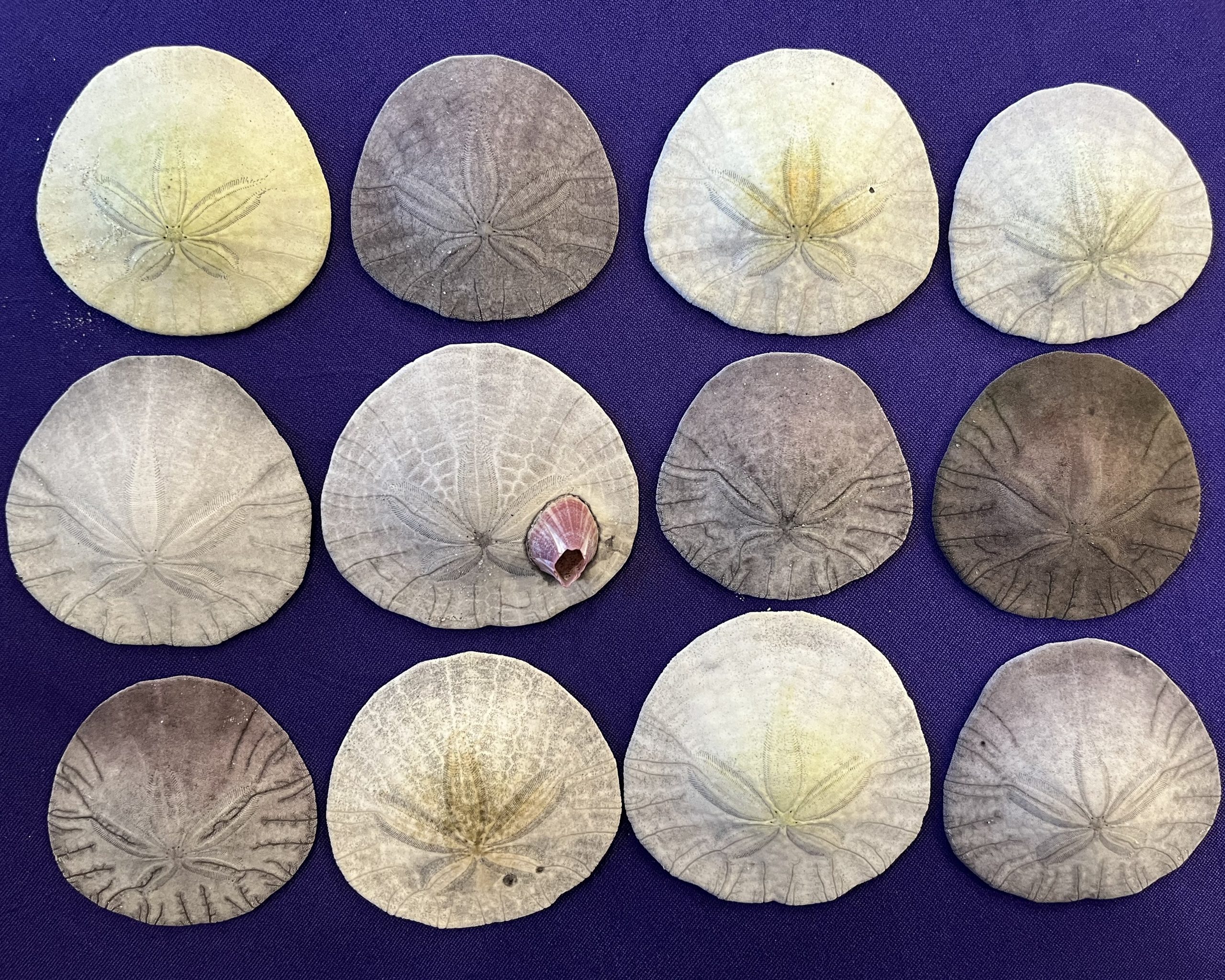
We will find 28 sand dollars.
We both know it is ludicrous wealth.
On our beach day turned treasure hunt
we will ignore everything else in the water
that doesn't coin itself as obviously
as a fat-bottomed not-quite circle
center swelling its five-pointed star.

Finding will grow keener than credible.
A few will be no bigger than thumbnails,
sensed more than seen,
sieved in an almost-closed fist.
Many will be bare and bleaching,
the way ancient Greek temples are,
the way we think they were,
the way we keep conceiving them.
A few will still purple with life,
with bristles, or barnacles, or scars.
Most seat a palm's cupping hollow
just enough to make want of more.

While they are still precious few
we will space them, not touching,
on an inverted frisbee's makeshift altar.
They will become too many for such care,
piling like blown glass doubloons.
This August morning shares 75 years
between my daughter and her father.
Every new find will further divide our sum
until we are two children
who whoop and dart and imagine
our frisbee hoard back on the beach
raided by jealous beachcombers
or the indiscriminate greed of gulls.

They will dry and dull for days
in our kitchen window sun.
We will hold them one last time,
fingers gently cradling the edges
as we brush off the salt and shake
the fine, final sand from tiny navels
until they are as naked and light,
as easy to ruin as memory.

Knowing that September needs
to return my daughter
all of her years, and mine to me,
will urge the strange undertaking.
Preserving what we stole will fill a whole
eye stinging, sticky resin afternoon.
Silicone molds, made from sand,
will make keepsakes of spent summer
currency. Utterly uncovetous,
the molds contain and kernel all,
sand dollars, epoxy, irony,
and then, when it hardens, let it go,
enshrined, as seen and untouchable
as a glass-clear blink between waves.

Cheers!