America’s 20th century proletarian troubadour poet Carl Sandburg (1878-1967) defied easy categorization. “The poet of the American vernacular was not only a tough, gregarious reporter, but a rollicking folk musician”. He wrote children’s books, worked as a Social-Democratic Party political organizer and aide, and became both a Hollywood advisor and State Department emissary. He was likely the only Pulitzer Prize winner to have been a bona fide, incarcerated, rail-hopping hobo, and remains the only Pulitzer Prize winner to have won awards for both Poetry and History. “Sandburg spoke to and for the American Century in which he lived and did his work.”
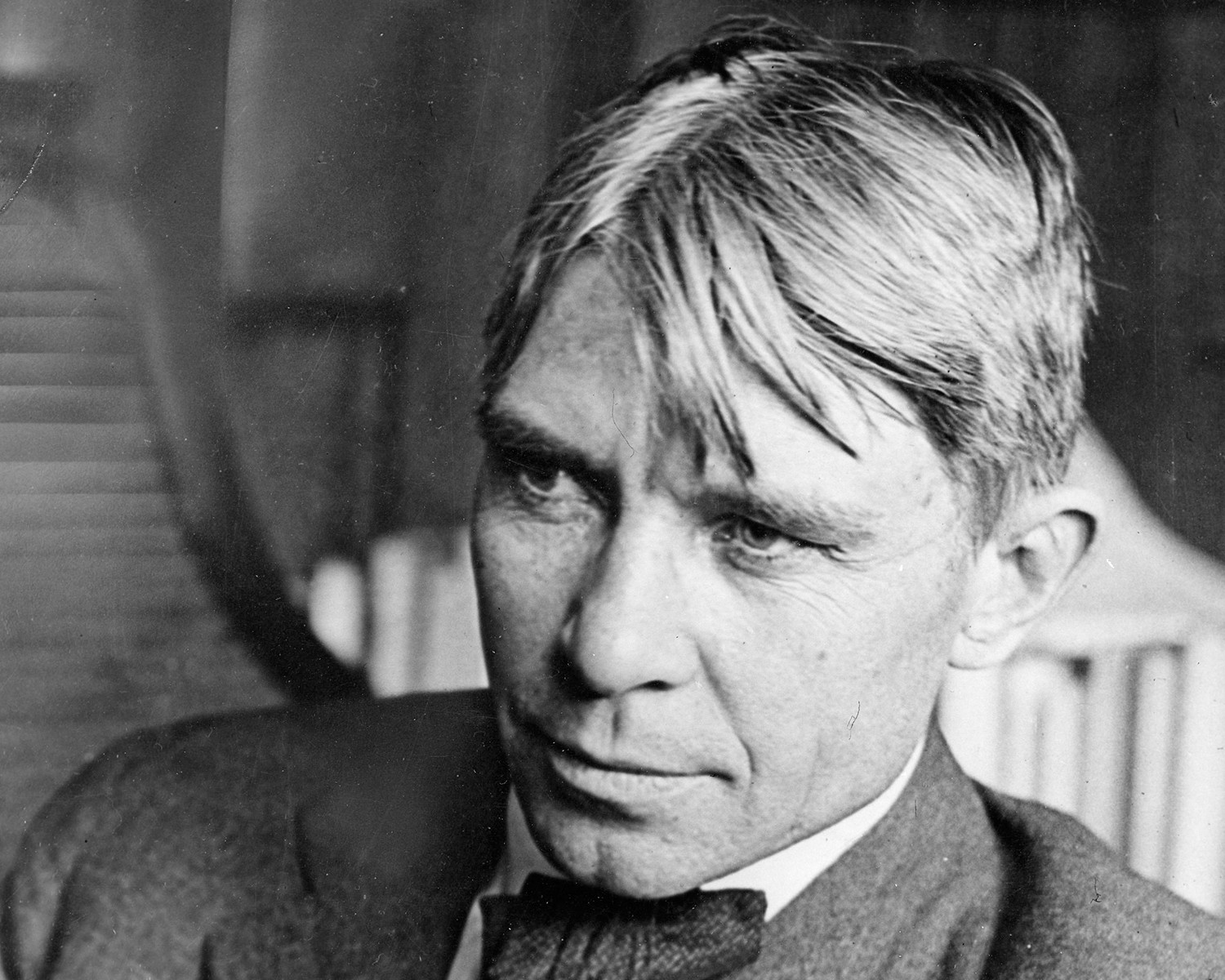
But before he did either, Sandburg’s itinerant youth included stints in the Army, college, a failed appointment to West Point (he failed the required mathematics and grammar tests), “chronic wanderlust,” and notional lecturing, before he rooted himself first in Wisconsin, and then in Chicago, the city he later covered as a reporter and celebrated as a poet.
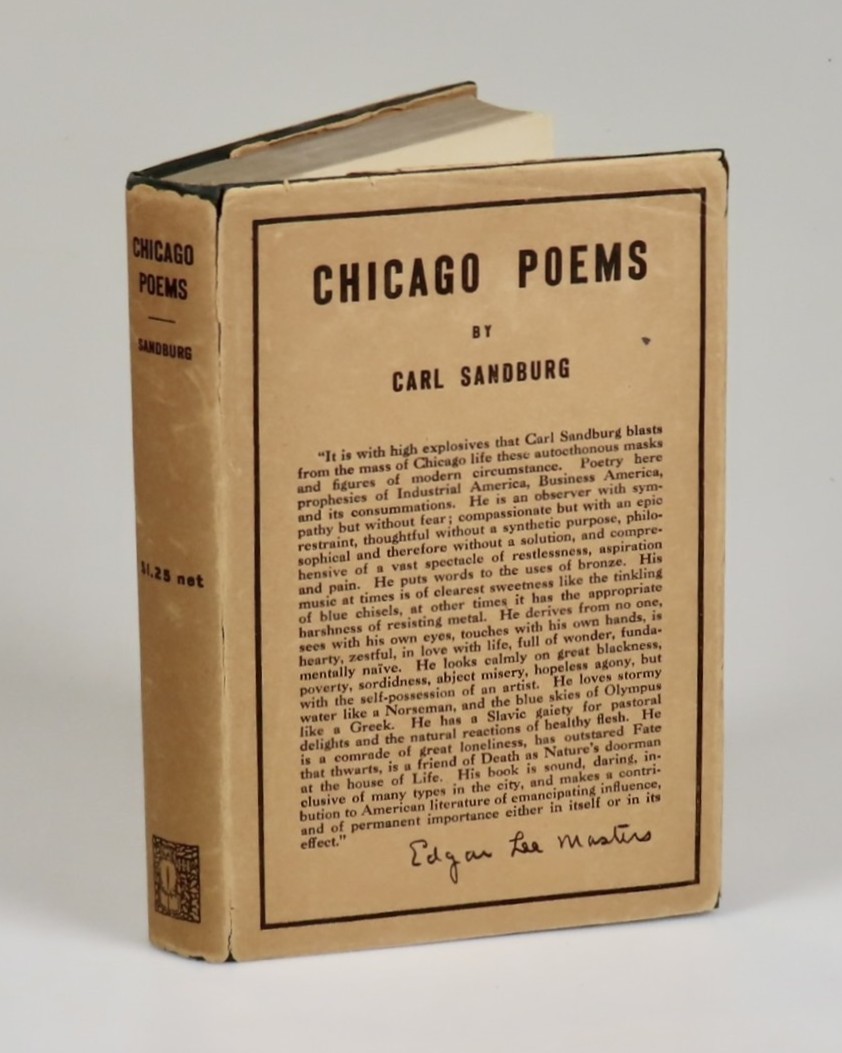
His first volume of poetry, Chicago Poems, was published in 1916. “From the beginning, Sandburg the poet gave a powerful voice to the ‘people – the mob – the crowd – the mass’… He was quickly established as the poet of the American people, pleading their cause; reciting their songs, stories, and proverbs; celebrating their spirit and their vernacular; and commemorating the watershed experiences of their shared national life.”
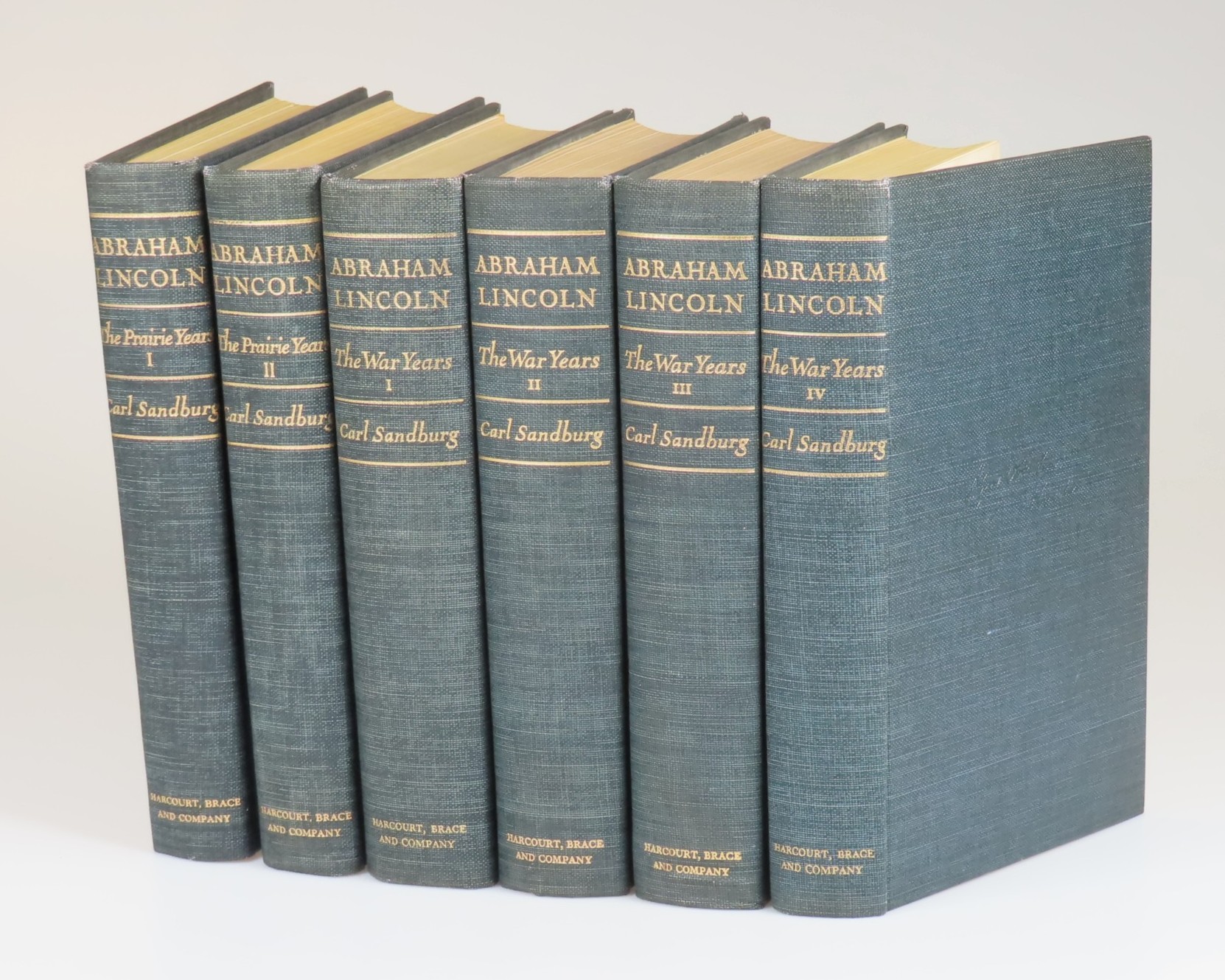
In retrospect, it was fitting that Lincoln and Sandburg would find one another. His epic two-part, six-volume biography of Lincoln began as a commission for a juvenile biography and became instead among the most monumental and acclaimed biographies of America’s 16th President.

Complex is one word that could be appended to Sandburg. Contradictory is another. The poet obsessed with “the people” became a great biographer of greatness. He spent a substantial portion of his intellectual capital elevating and illuminating America’s most exalted president. The urban socialist became rural gentry. The man so indelibly associated with Midwest and the working class ended up living on a large farm in North Carolina for more than two decades. “Connemara” as he called his estate is sufficiently associated with his life and work to be preserved as a National Historic Site today.
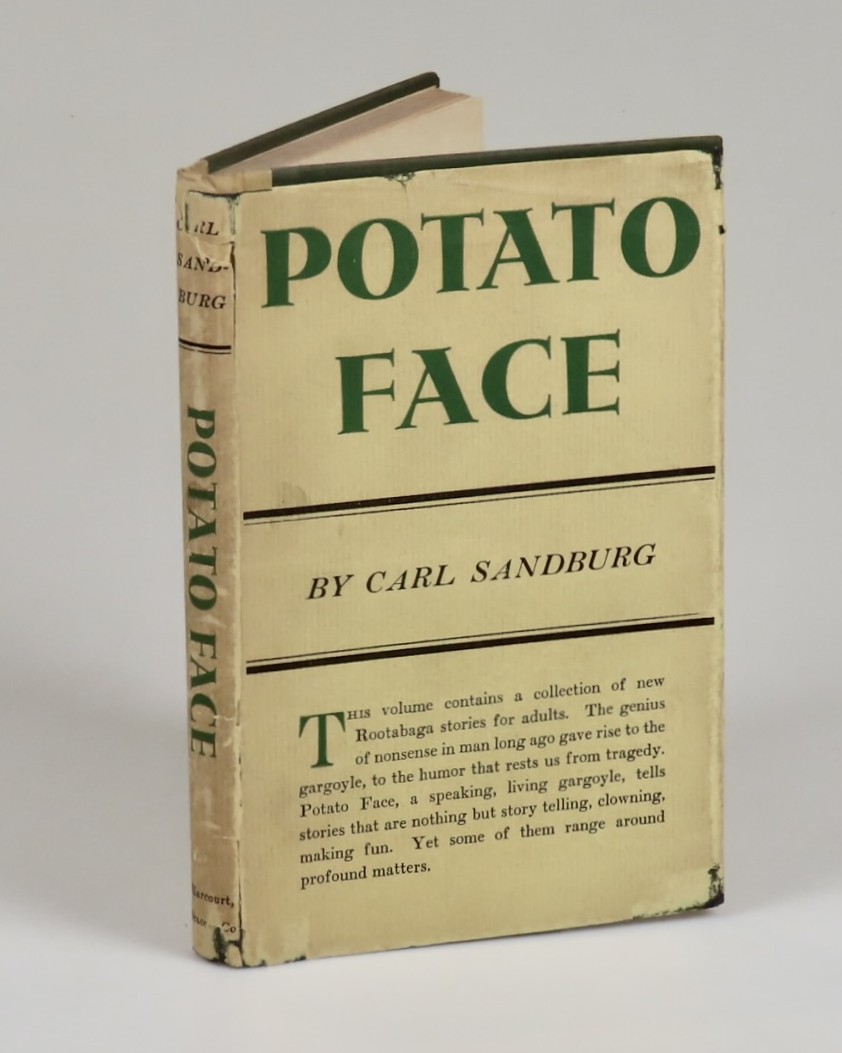
The poet known for his gritty, unvarnished portrayals of working class life also wrote “zany, sometimes poignant American fairy tales for children” with such lyrical titles as Potato Face. Even Sandburg’s poetic canon is an odd contradiction. It won Sandburg both a trove of public awards and broad public acclaim. And yet, unlike his contemporary, Robert Frost, we don’t necessarily have specific Sandburg titles and lines that spring readily to memory. As poet Archibald MacLeish said at Sandburg’s memorial “with Sandburg it is the body of the work that weighs, the sum of it, a whole quite literally greater than the total of its parts…” More than any single verse or even voice, “Sandburg had a subject – and the subject was belief in man.”
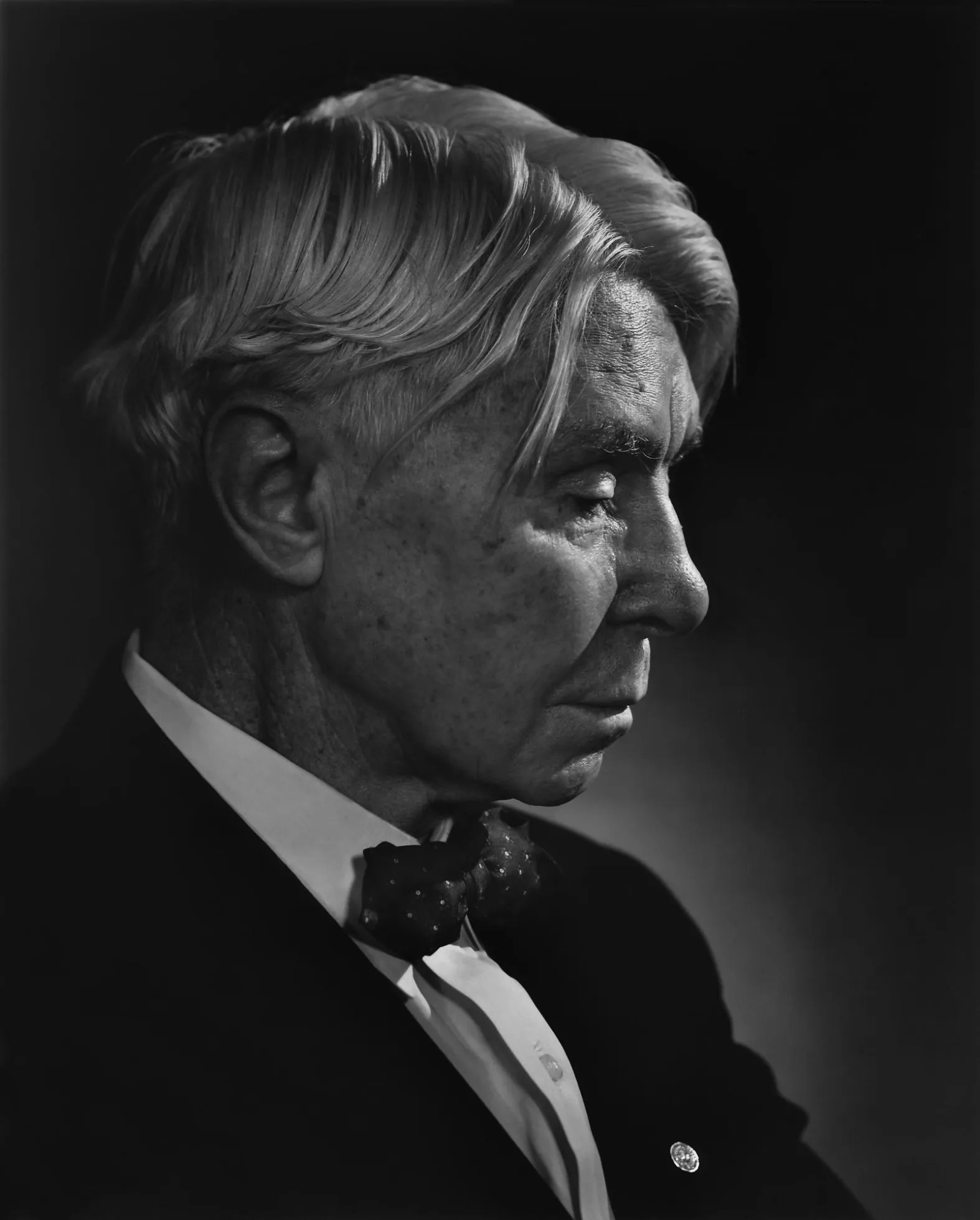
In addition to his Pulitzers (1919, 1940, 1951), Sandburg’s long catalogue of accolades included the Presidential Medal of Freedom (1964), the Robert Frost Medal (1952) for lifetime achievement in poetry, election to the American Society of Arts and Letters, a bevy of honorary doctorates, the National Institute of Arts and Letters Gold Medal (1952), and an invitation to address a joint session of Congress (in 1959, for Lincoln’s 150th birthday). Sandburg’s 1967 own memorial ceremony was held on the steps of the Lincoln Memorial.